
One year ago, we got together with our sister organization, One Tail at a Time Portland (Oregon), to talk about the future of a small rescue group called “The Underground Dog” led by a remarkable woman named Heather Hall.
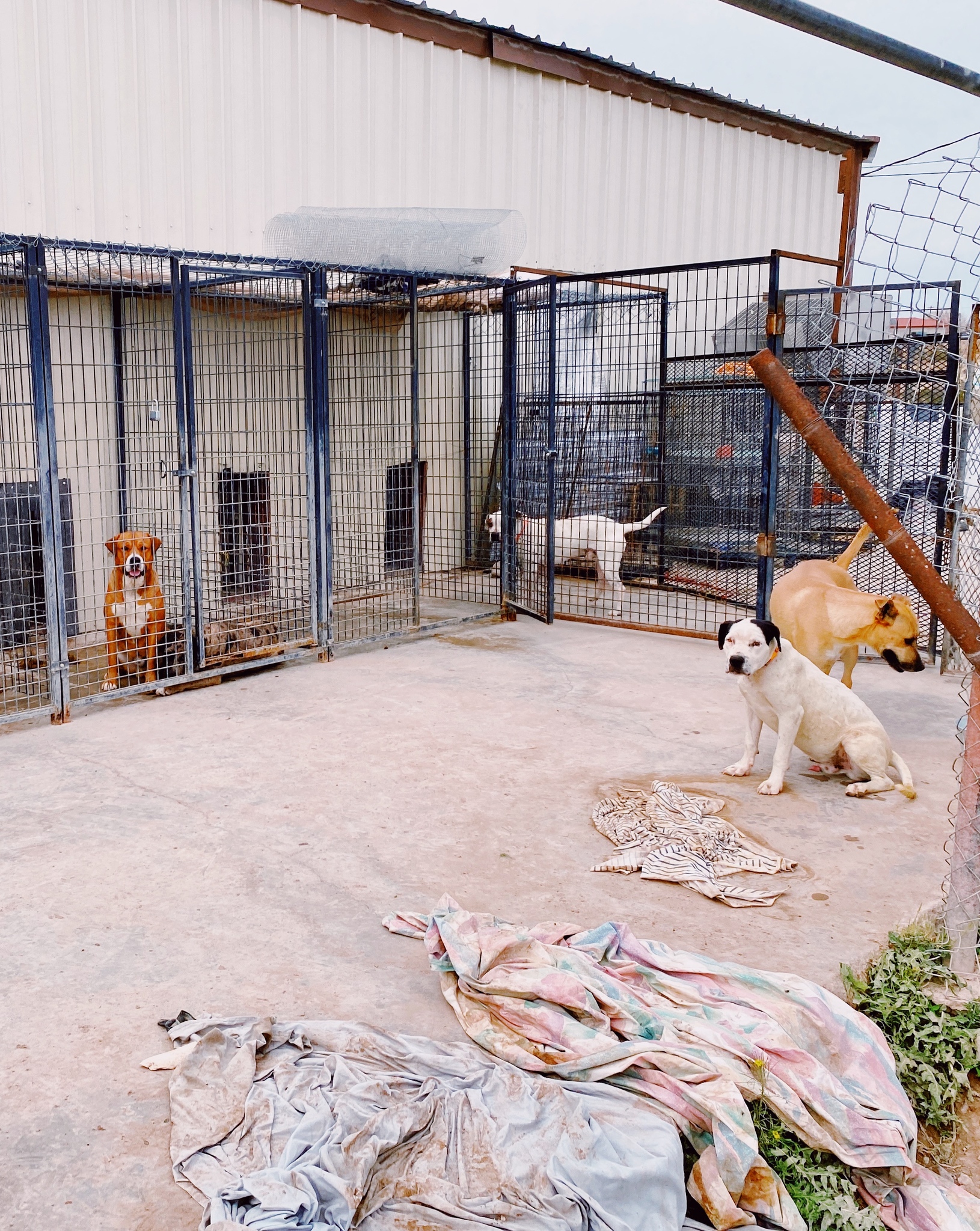
Hall was regularly making miracles happen in the far West Texas region in both municipal shelters and shelterless communities. Perhaps her biggest accomplishment was making the shelters in Marfa and Presidio “no-kill” despite enormous challenges. For example, the Presidio shelter has one staff member, no air-conditioning, no budget for vaccines, no adoptions, and no volunteer program. Despite this shelter being hundreds of miles from Hall’s home, she cobbled together a vision to see them out of the shelter and onto transports to other Texas groups and beyond.
To support Hall’s efforts, we agreed to raise funds and become mentors, ultimately creating “One Tail at a Time West Texas,” our next sister organization. Though we are legally and financially separate institutions, our brand of life-saving – using sustainable, community-centric solutions – spans across the three organizations.

One year later, I am proud, and not at all surprised, to share the incredible success in the far West Texas region. OTAT WTX now serves the shelters in Marfa, Presido, Pecos, Van Horn, Fort Stockton, Alpine, Macamie, and the surrounding shelterless communities. Initial fears that spreading support to new shelters would hurt the success at Marfa and Presidio were soon squashed.
One incredible new and unforeseen success has been the vast increase in life saving at the Pecos shelter. Pecos, Texas, home of the very first rodeo, and just across the border of Mexico, is home to about 12,000 people. The poverty rate in Pecos is estimated to be approximately 20%, which is almost 9% higher than the national average. Their city shelter does not budget for vaccines or veterinary care, making it nearly impossible to rescue healthy animals. Since investing in their relationship with the Pecos shelter, big things have happened, including a historic milestone: The Pecos shelter has been “no-kill” for three months straight. The entire city celebrated, even throwing an adorable pizza party when One Tail teams were visiting this past Fall.


The Pecos shelter is just the tip of the iceberg. Thanks to a historic grant from Best Friends Animal Society, all three sister One Tail at a Time organizations will receive funding to expand our reach and continue the work needed to stop unnecessary shelter deaths in far West Texas. The grant will cover a variety of costs including a transport van, spay/neuter, medical costs for sick and injured animals, and even the staffing necessary to cover shelters that are hundreds of miles apart. The success in this program is reflected in the lives saved. Dogs like Boris, Raisinet, and their puppies. This family was surrendered to the Van Horn shelter, which exists entirely outside. When visiting the shelter, staff realized they had run out of dog food and did not have money for more. The problems in these severely under-resourced shelters run deep, and getting Boris, Raisinet, and the puppies out was just step one.


Step two in this entire process is sustainability. We look forward to watching OTAT WTX create sustainable change through government relationships, increasing local shelter budgets, spay/neuter, and tapping into the local community to grow the foster, volunteer, and adoption programs. After year one, WTX has already seen more than double their foster cases and local adoptions. It truly seems to me like the sky is the limit. Our interim success is thanks largely to the donors who believed the far West Texas region deserved a chance. Thank you, as everything is bigger – even rescue – in Texas.
Note: “No Kill” is a benchmark many shelters use to measure success. While it’s a nuanced concept, it is generally accepted that shelters who are saving 90% or more of their shelter’s population are “no kill” and saving all the savable pets. No Kill can be confusing, and sometimes divisive, when used to measure one shelter instead of a community. For the purposes of this article we use the term to measure the 90% benchmark success.
